
The Allied Intelligence Bargain
You Only Live TwiceThis thread tracks Britain’s uneasy reliance on allies and the gradual conversion of intelligence competition into a personal negotiation.
increasing Bearing strength in each event
 decreasing
Bearing strength in each eventdecreasingAn American Gatekeeper
An American Gatekeeper
The Pacific divide
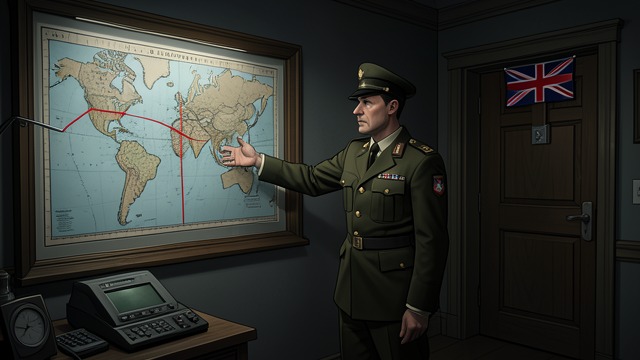
M. tells Bond that the Central Intelligence Agency treats the Pacific as its own preserve and has restricted Britain’s access to Japanese-held Soviet intelligence. Earlier cooperation has narrowed under changed leadership and security concerns.
M. understands the American position, including its anxiety about compromised sources. But Britain cannot plan confidently while important material remains beyond its reach.
A narrow opening
The mission depends on Tanaka’s willingness to share intelligence despite his existing arrangements with the Americans. Britain’s diplomatic status and the credibility of its offer will matter as much as Bond’s personal skill.
The assignment thus begins as an alliance problem rather than a conventional espionage operation. Bond is sent to work inside a gap that neither government openly wants to expose.
Henderson’s Warning

Henderson’s Warning
A watched meeting
Richard Lovelace Henderson discovers that his favored bar has been bugged by Tanaka’s people. His anger turns the surveillance into an open declaration that the Japanese service knows who has arrived.
Henderson explains that Tanaka is both friend and rival. Their long familiarity creates obligations, but it does not make Tanaka’s loyalties predictable.
A strategy of patience
Henderson advises Bond to think in decades rather than days when interpreting Japanese decisions. He believes the long-term interests of the country will matter more than the immediate convenience of a bargain.
His counsel helps Bond treat personal relations as part of intelligence work. The mission depends on understanding why Tanaka might act, not simply what he can provide.
A Debt Rebalanced
A Debt Rebalanced
Tanaka’s private accounting
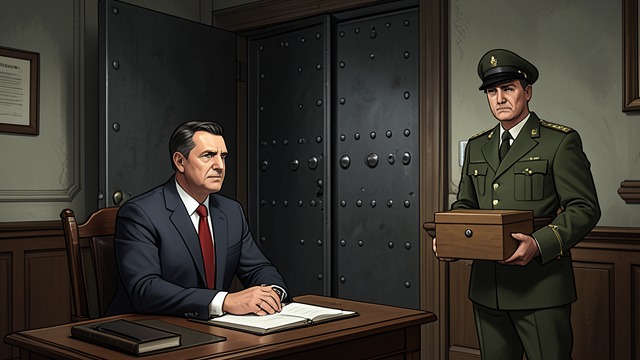
Tiger Tanaka admits that friendship with Henderson and a sense of debt to Britain have influenced his willingness to reveal sensitive material. He sees the disclosure as part of a personal moral ledger.
His earlier service against Britain remains a source of shame. Rather than treat the past as settled, he regards it as an obligation that can be answered through present action.
Cooperation without surrender
Tanaka still distinguishes his personal generosity from his country’s alignment with the United States. He does not promise unrestricted access or abandon his own service’s interests.
The resulting relationship is useful precisely because it is neither simple friendship nor formal alliance. Bond must earn trust within a web of competing duties.
During M.’s briefing at Headquarters
Bond’s first night on the Ginza
During Bond’s first secret meeting with Tanaka
